



July 22, 2020
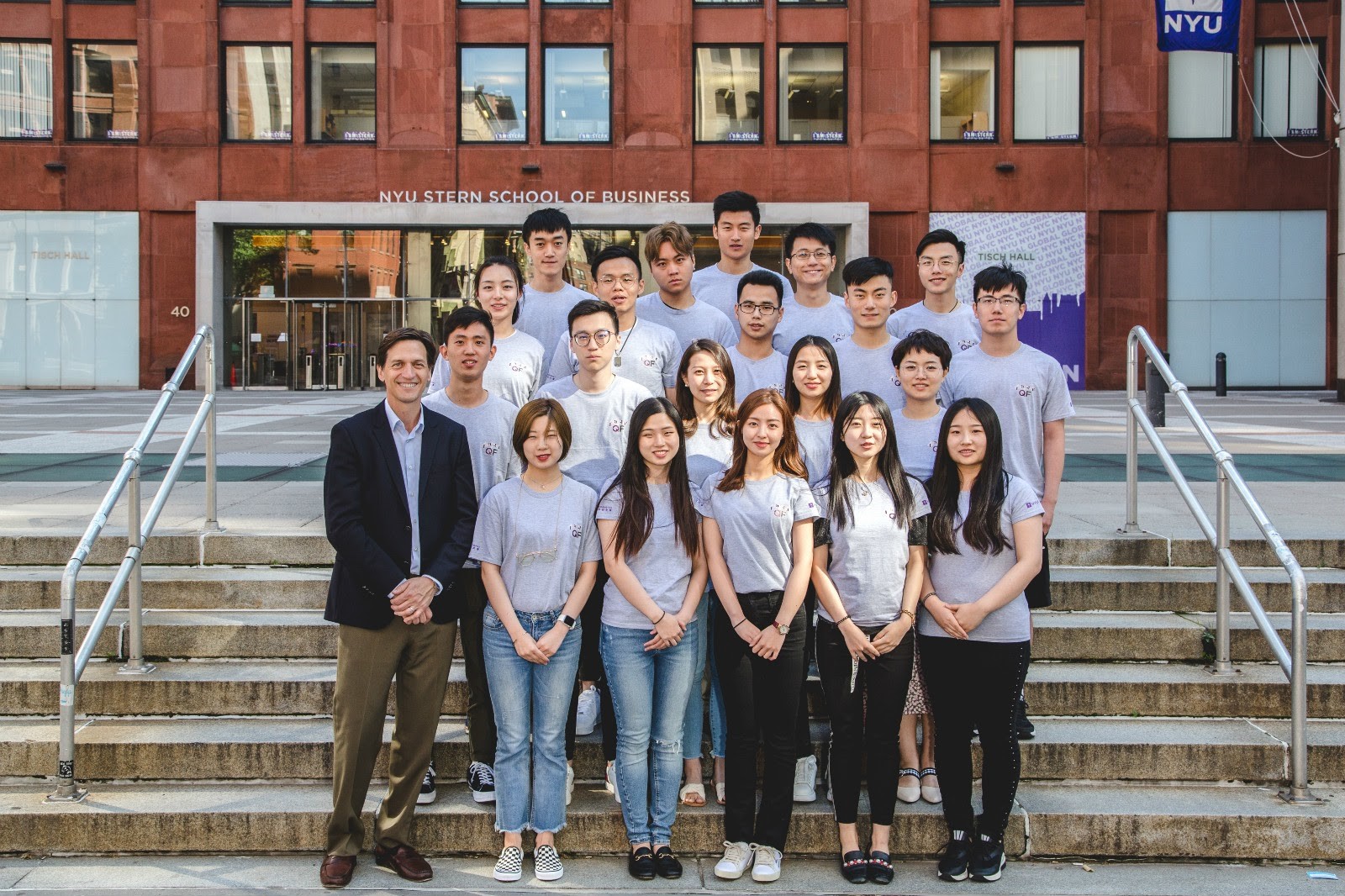
MSQF Academic Director, Jeffrey Wurgler, who is also the Nomura Professor of Finance at NYU Stern, recently shared his insight on the design and highlights of the program, student profile, and feedback we received from the first cohort of students.
Can you share an overview of the MSQF program?
The MSQF program is for students who are looking for an intensive, comprehensive, sophisticated introduction to finance and who intend to start their finance careers in China or Asia. In the normal curriculum, the program begins in the summer in New York, at NYU Stern, for a series of core courses in both quantitative tools and foundational finance courses in investments and corporate finance. Students then head to NYU Shanghai to engage in recruiting and complete the academic program in the fall and spring semesters.
The coursework at the beginning of the program at Stern gives them the background to complete the more advanced topical courses at NYU Shanghai in futures and options, debt instruments, portfolio management, and other areas, and additional generalist courses in Chinese and other emerging financial markets. In Shanghai, they also complete the Capstone Project, which brings groups of students together in teams to solve current and pressing business problems brought to us by our company partners.
How does this program differ from other finance master's programs?
The excellence and reputation of NYU’s Finance department is the most important differentiator, but the program is distinctive in several other appealing ways as well. The split across two global financial center locations, Shanghai and New York City, and resources available to students at both Stern and NYU Shanghai are unique and central to the program. Structurally, the MSQF program is slightly less than a year, which is on the shorter side versus other finance master’s programs which can span two or even three academic years.
Additionally, we teach at a more sophisticated quantitative level, and some of the courses lean toward the more technical side, although we still develop soft skills in the curriculum in various ways. The youth and energy and vitality at NYU Shanghai are great features. Finally, the worldwide alumni base of NYU is another advantage that students will start to appreciate upon graduation and for decades after that.
How are faculty selected to teach?
The pedagogical objectives vary from course to course, but faculty are selected based on factors including research, teaching, and professional expertise. We have eminent scholars who have made path-breaking contributions to the subject, and we have young scholars who are creating the frontiers of knowledge.
We have faculty who are winners of teaching awards and have decades of experience in the classroom, and we also have faculty who are professional investors or have spent much of their careers in relevant areas of finance or consulting and bring this knowledge into the classroom. The MSQF students benefit from this diversity of perspectives, as it helps them to learn the skill of bringing theory to practice in new and exciting ways.
What kind of background do students need if they are interested in applying for this program?
We are looking for students who are intellectually curious, comfortable with quantitative tools, and interested in developing these tools with applications to finance. Although some students enter with several undergraduate finance courses, others have one or none at all. We do not assume any background in finance and the curriculum is self-contained.
As an incoming functional skill set to hit the ground running and take fullest advantage of the curriculum, students should be comfortable with basic statistics, calculus, and accounting. Those are the minimal prerequisite areas. Once you get here, we will teach you what you need to know about finance!
What is some of the feedback you've heard so far from students?
We just completed our first full year with our first graduating cohort. Much of the feedback we received from students relates to the faculty, both at Stern and NYU Shanghai. Our faculty bring such a wealth of knowledge from their teaching, research and own unique professional backgrounds. Many students have shared that the relationships they have formed with faculty is one of their favorite parts of the program.
They also appreciate the small community, which allows them to get to know their peers, professors, and program leadership in a way that is not always possible in a bigger program. Students have also shared that the more experiential learning components of the program, such as company visits, guest speakers, and the capstone project, provide tangible examples of how to apply the classroom learning about the theory of finance to the real world.